Spine surgery is a specialized procedure aimed at treating conditions that cause persistent back pain, nerve compression, or spinal instability. It is performed when conservative treatments such as medication, physiotherapy, or injections fail to provide relief.
The main goal of spine surgery is to relieve pressure on the spinal cord or nerves, stabilize the spine, and restore normal function. With the help of advanced surgical techniques, patients can experience significant pain relief and improved quality of life.

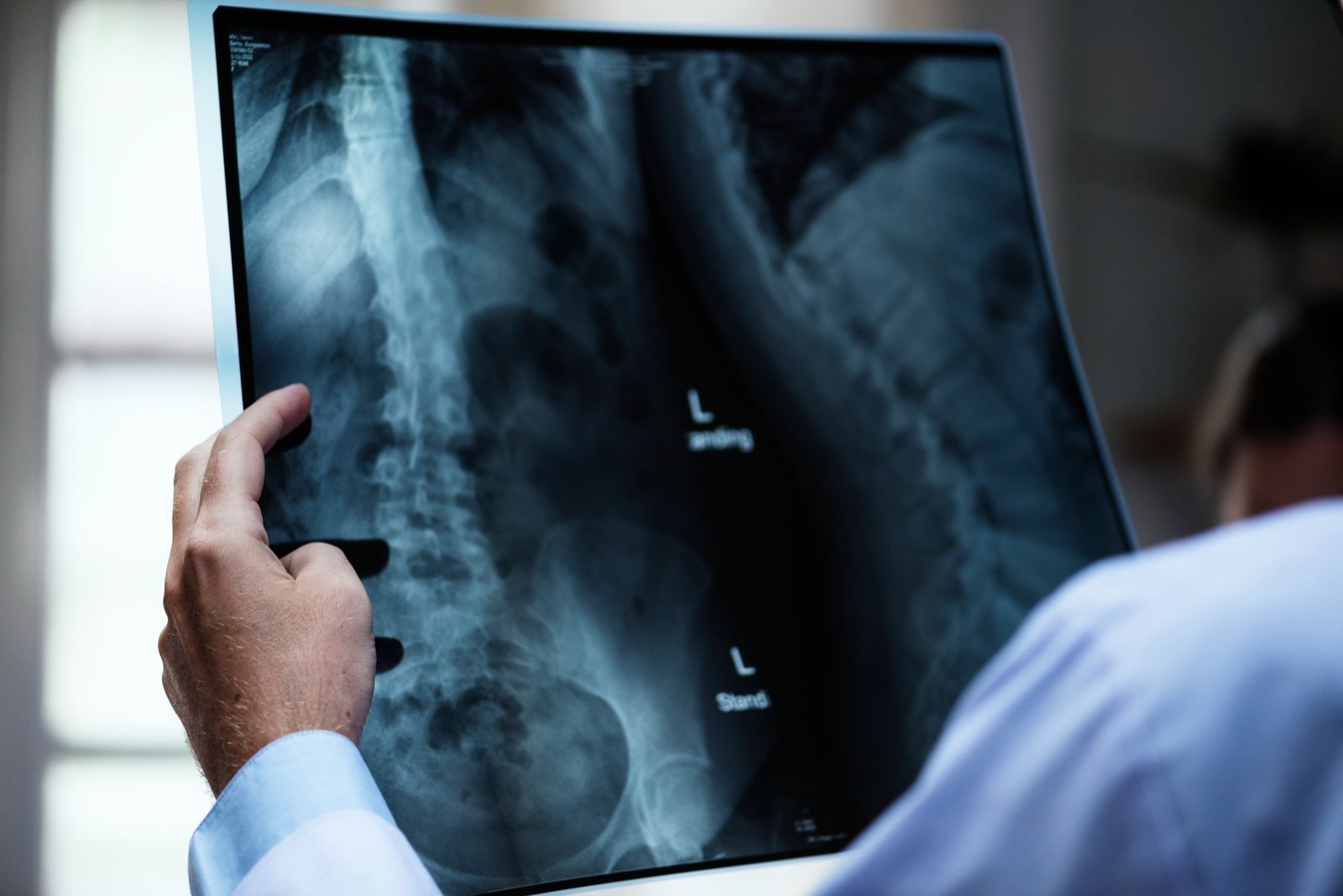
Before surgery, patients undergo detailed evaluations including MRI, CT scans, X-rays, and neurological assessments to identify the exact cause of pain and the affected spinal level.
Each case is carefully reviewed to design a personalized surgical plan that minimizes risk and ensures maximum benefit. This thorough pre-surgical planning helps determine whether minimally invasive or open surgery is most suitable for the patient’s condition.
Spine surgeries today are performed using advanced methods such as minimally invasive spine surgery (MISS), endoscopic spine surgery, spinal fusion, and disc replacement.
These techniques use small incisions and specialized instruments, resulting in reduced blood loss, minimal muscle damage, and quicker recovery. With the support of real-time imaging and navigation systems, surgeons achieve precise outcomes with enhanced safety and success rates.

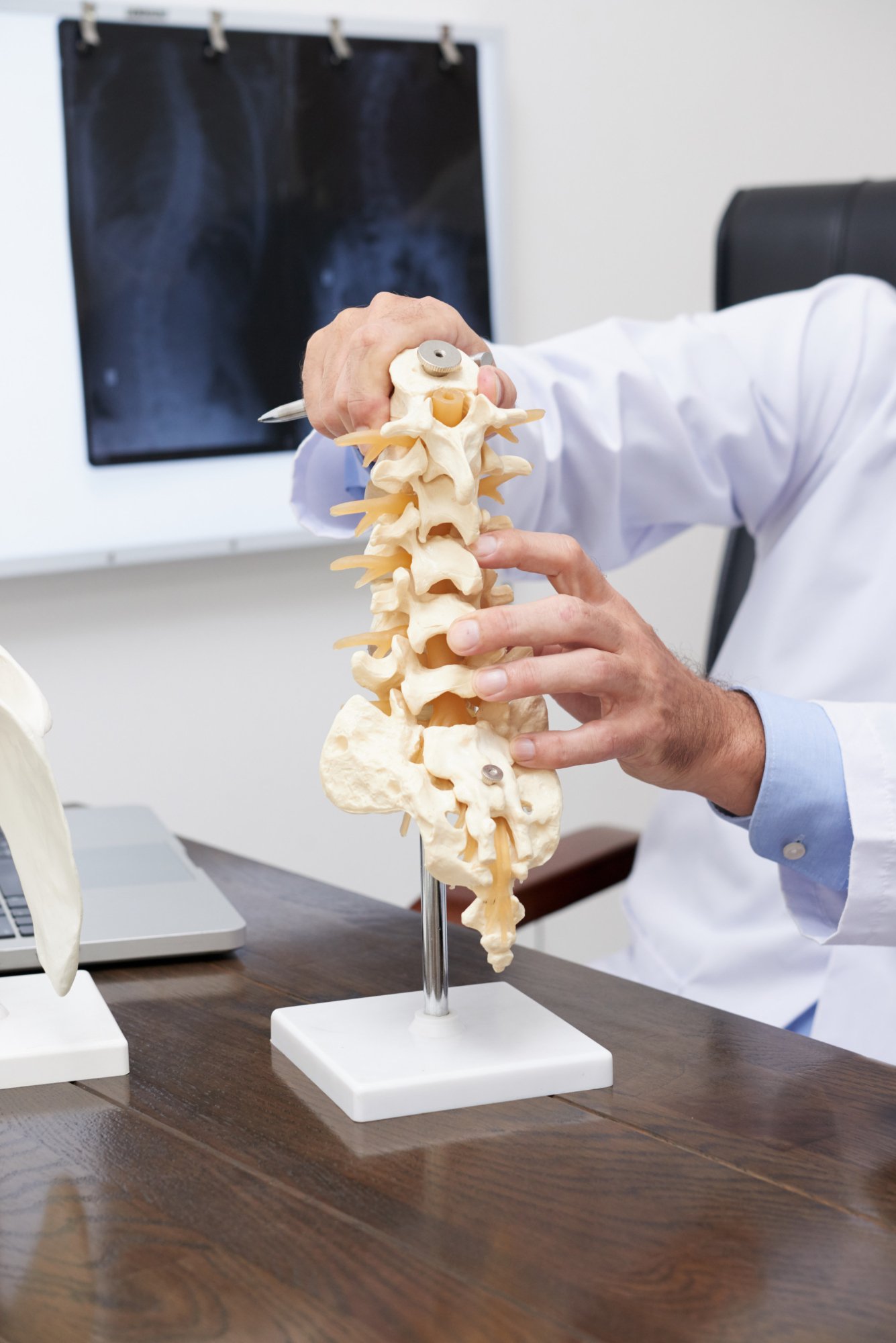
After surgery, patients receive comprehensive post-operative care, including physiotherapy, rehabilitation, and regular follow-ups to monitor healing. Most patients can resume normal activities within a few weeks, depending on the procedure.
With personalized recovery plans and continuous support, spine surgery helps restore mobility, strength, and confidence—empowering patients to lead active, pain-free lives.