Brain tumor surgery is a highly specialized procedure designed to remove abnormal growths within or around the brain. The primary objective is to eliminate as much of the tumor as possible while preserving critical brain functions.
Depending on the tumor’s type, size, and location, surgery may be performed alone or alongside treatments like radiation or chemotherapy. With the help of modern imaging and advanced surgical tools, surgeons can operate with greater accuracy and safety.
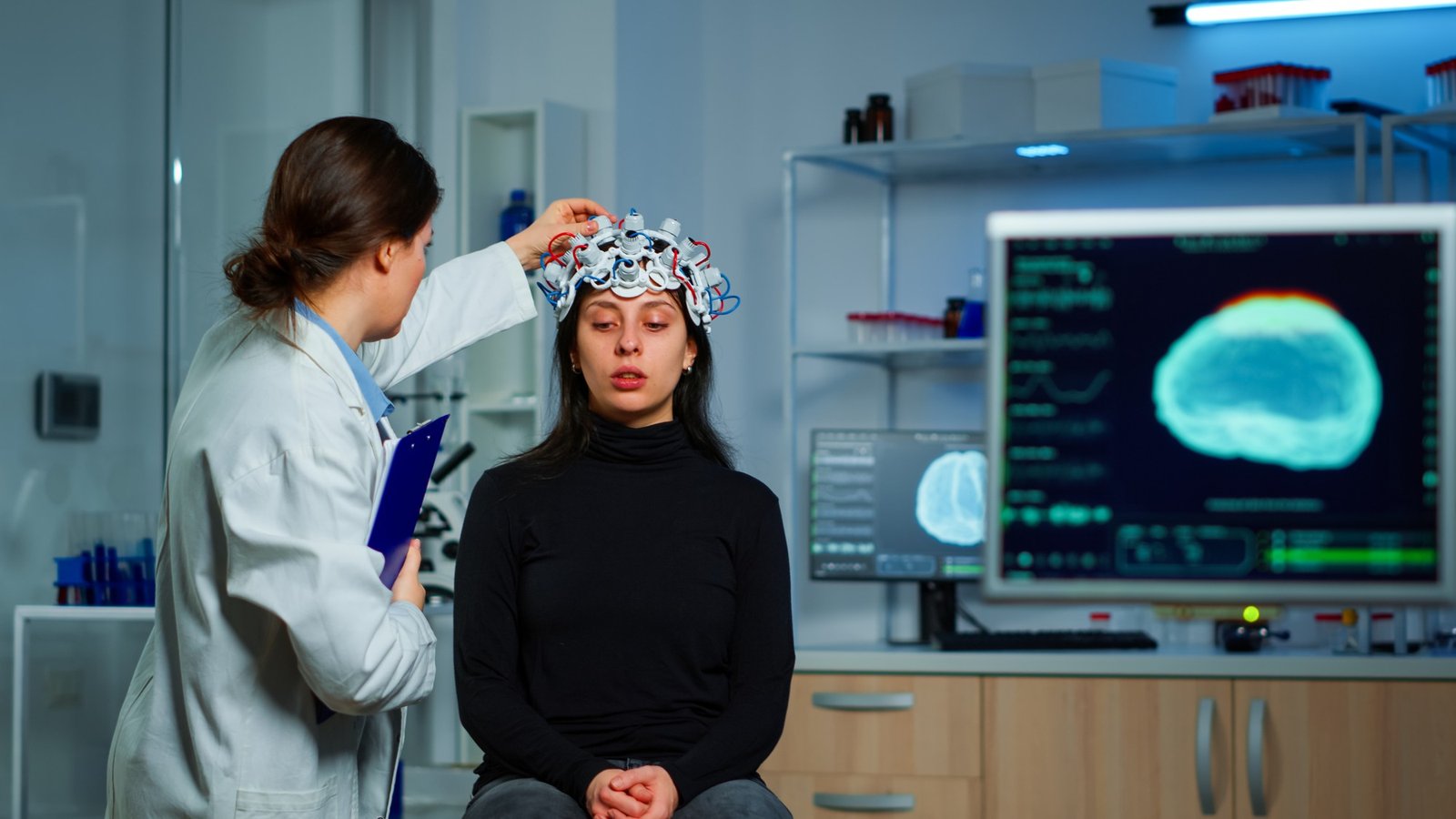
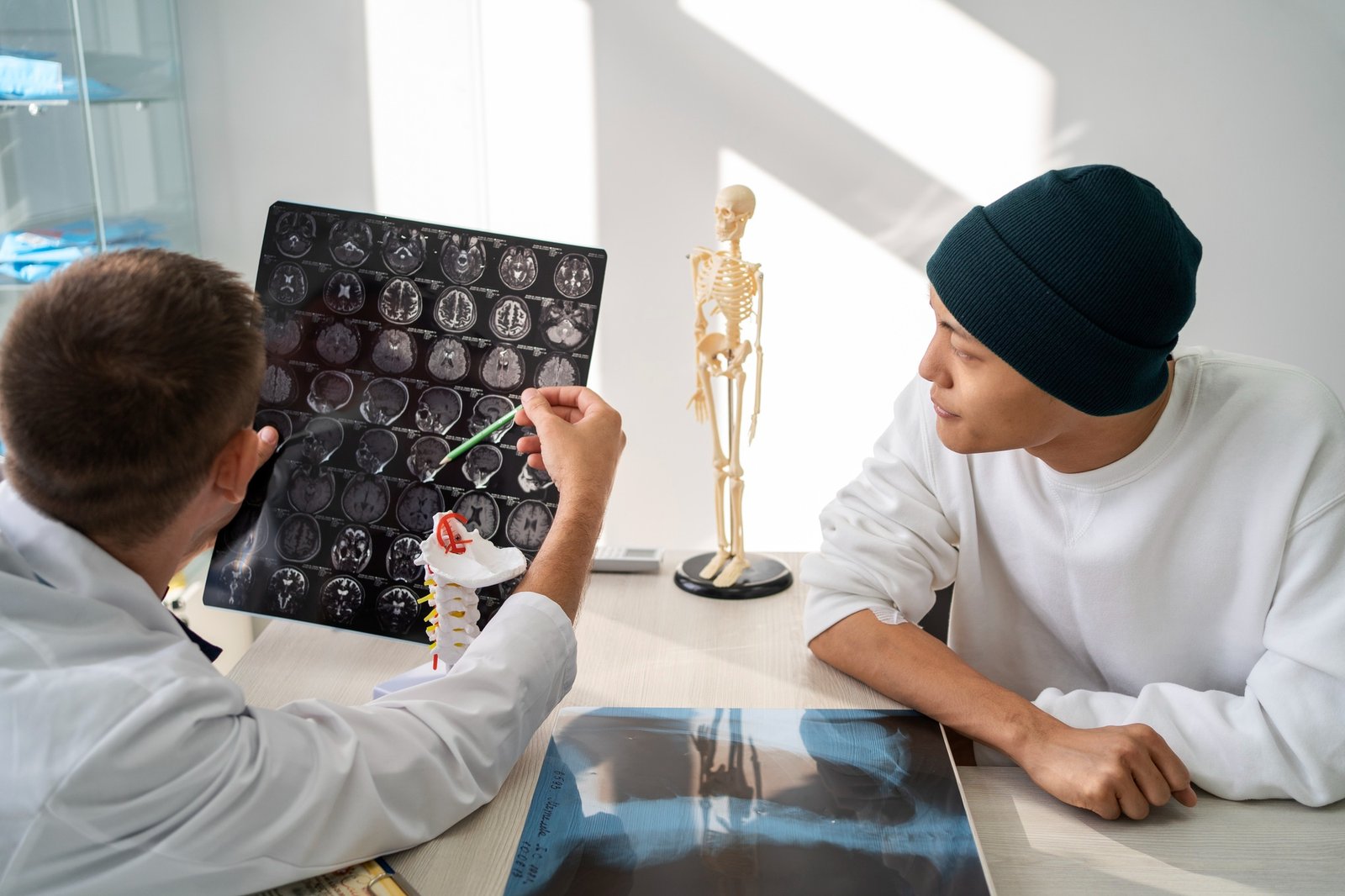
Before the surgery, a detailed diagnostic process is carried out using MRI, CT scans, and neurological assessments. This step helps in mapping the exact tumor position and its relation to essential brain areas. Each case is carefully analyzed to determine the safest surgical approach — whether full or partial removal is feasible.
In some cases, awake brain surgery is performed to monitor patient responses and protect vital areas like speech and movement during the operation.
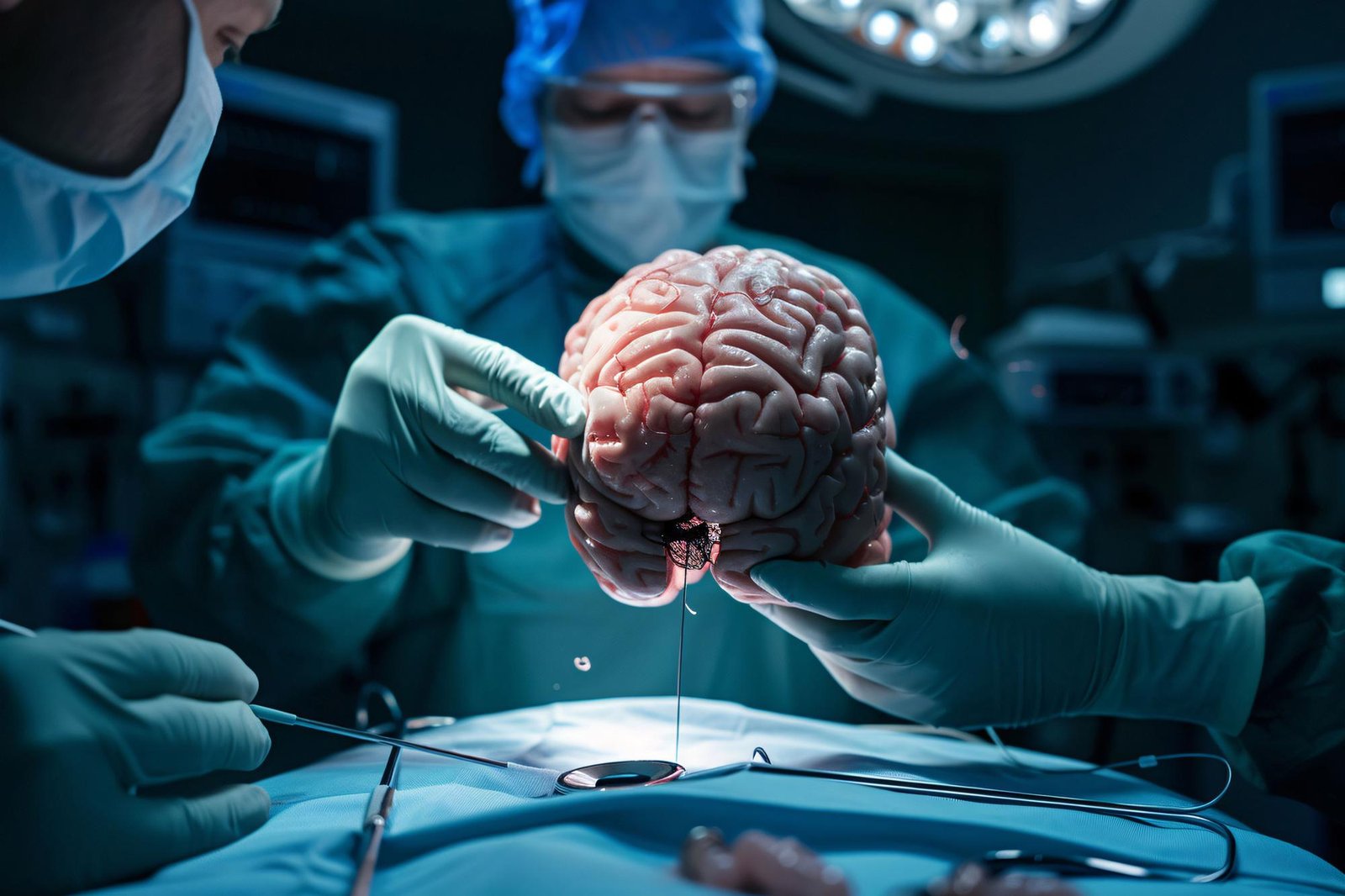
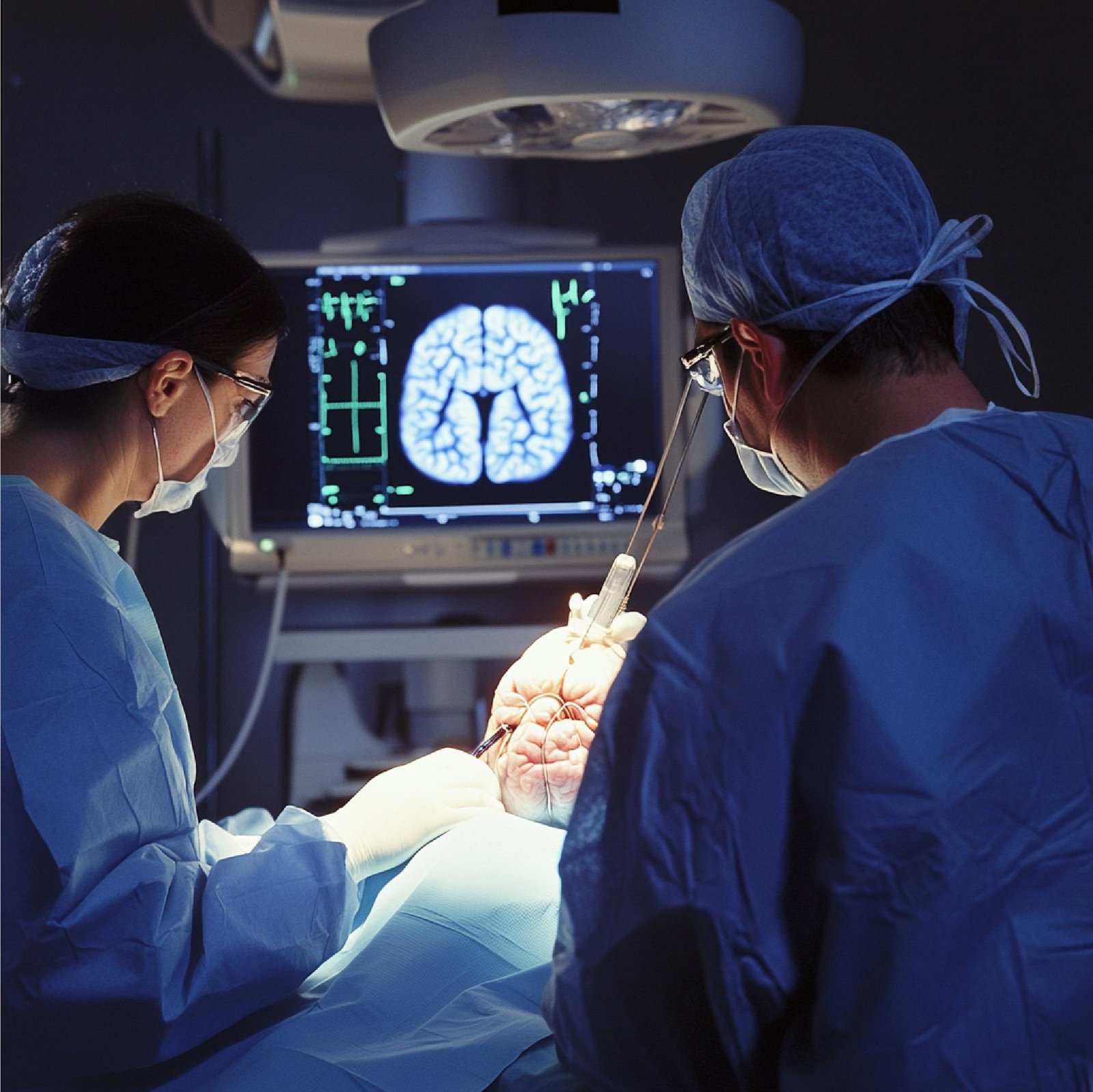
During the procedure, neurosurgeons employ advanced tools like neuronavigation, intraoperative MRI, and microsurgical instruments for maximum precision. These technologies help differentiate between tumor and healthy tissue, ensuring minimal damage to surrounding areas.
With real-time monitoring and state-of-the-art anesthesia, the surgical team maintains the highest standards of safety and accuracy throughout the operation.
After surgery, patients receive complete post-operative support, including physiotherapy, speech therapy, and follow-up imaging to ensure proper healing and monitor for recurrence. Rehabilitation is a crucial part of recovery, helping patients regain strength, confidence, and functionality. With continuous advancements in neurosurgery, brain tumor surgery today offers improved outcomes, faster recovery, and renewed hope for a healthier future.