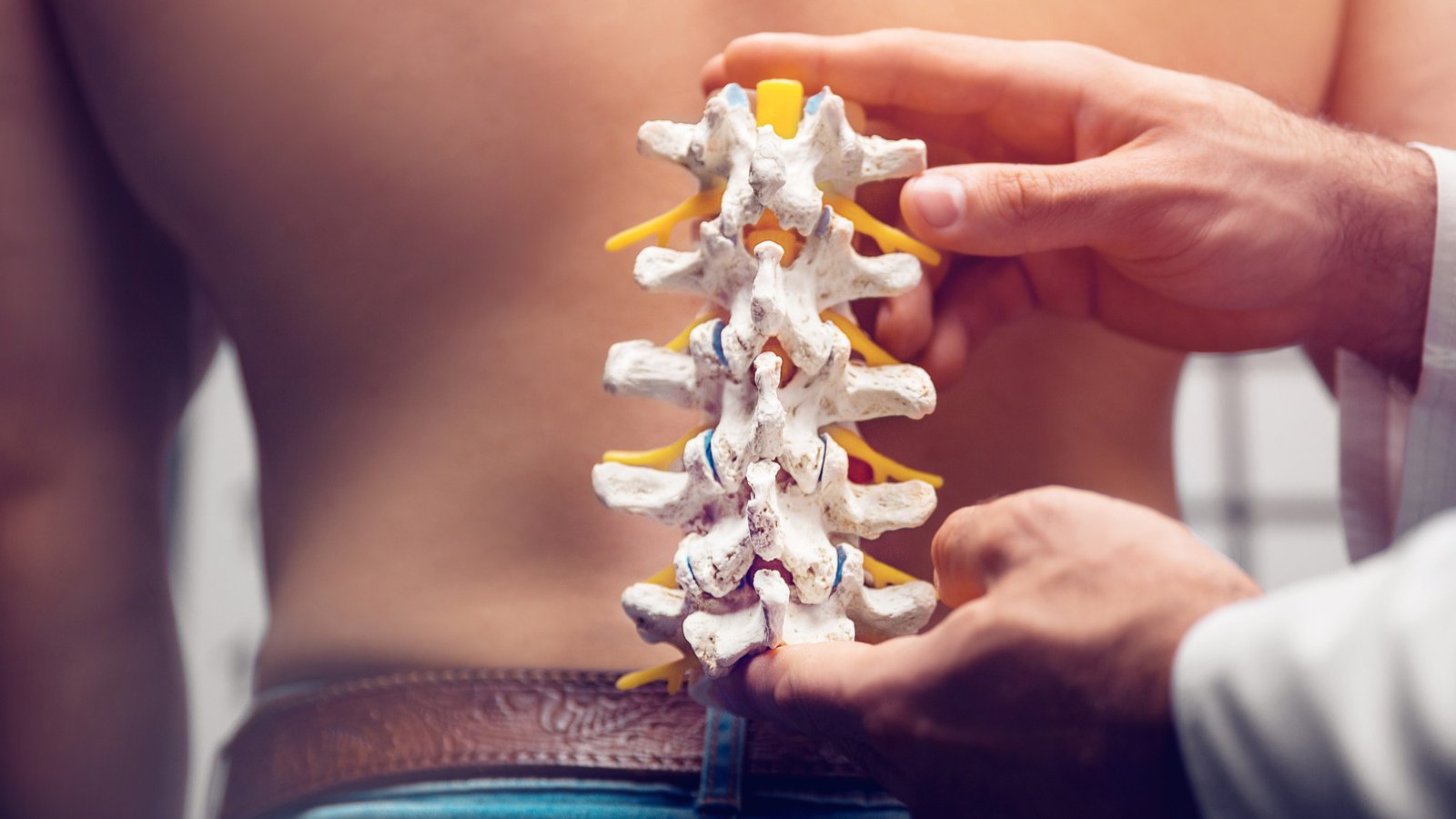
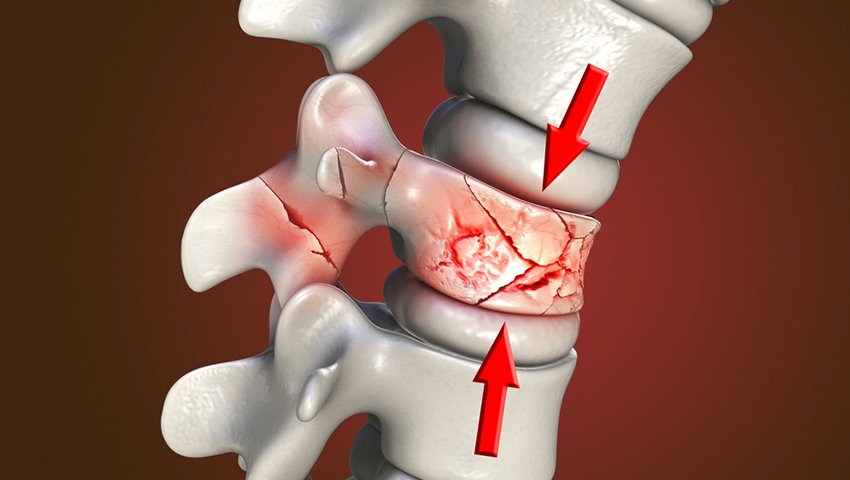
Spinal trauma and fracture fixation involves the diagnosis and surgical management of injuries to the spine caused by accidents, falls, or other traumatic events. These injuries can lead to instability, nerve compression, or paralysis if not treated promptly.
The goal of fracture fixation is to stabilize the spine, protect the spinal cord, relieve pressure on nerves, and restore structural alignment for proper healing and function.
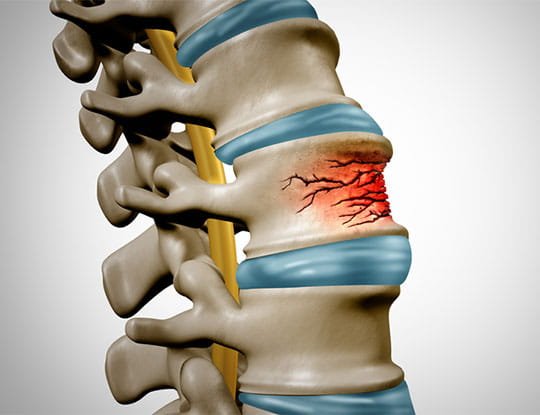
Before surgery, patients undergo a thorough evaluation including X-rays, CT scans, MRI, and neurological assessments to determine the exact type and severity of the spinal injury. This evaluation helps in identifying fractures, dislocations, or compression that may threaten spinal cord function.
A personalized surgical plan is created to ensure optimal safety, effective stabilization, and minimal risk of complications.
Spinal fracture fixation uses advanced surgical techniques such as internal fixation with screws and rods, minimally invasive stabilization, or spinal fusion depending on the nature and location of the injury.
Intraoperative imaging and navigation systems allow surgeons to perform precise interventions while preserving surrounding tissues and nerves. This approach reduces surgical trauma, enhances safety, and promotes faster recovery.

After surgery, patients receive structured post-operative care including physical therapy, occupational therapy, and lifestyle guidance to strengthen the spine and improve mobility. Regular follow-ups and imaging ensure proper healing and alignment.
With expert care and rehabilitation, spinal trauma and fracture fixation helps patients regain independence, reduce pain, and return to an active and fulfilling life.