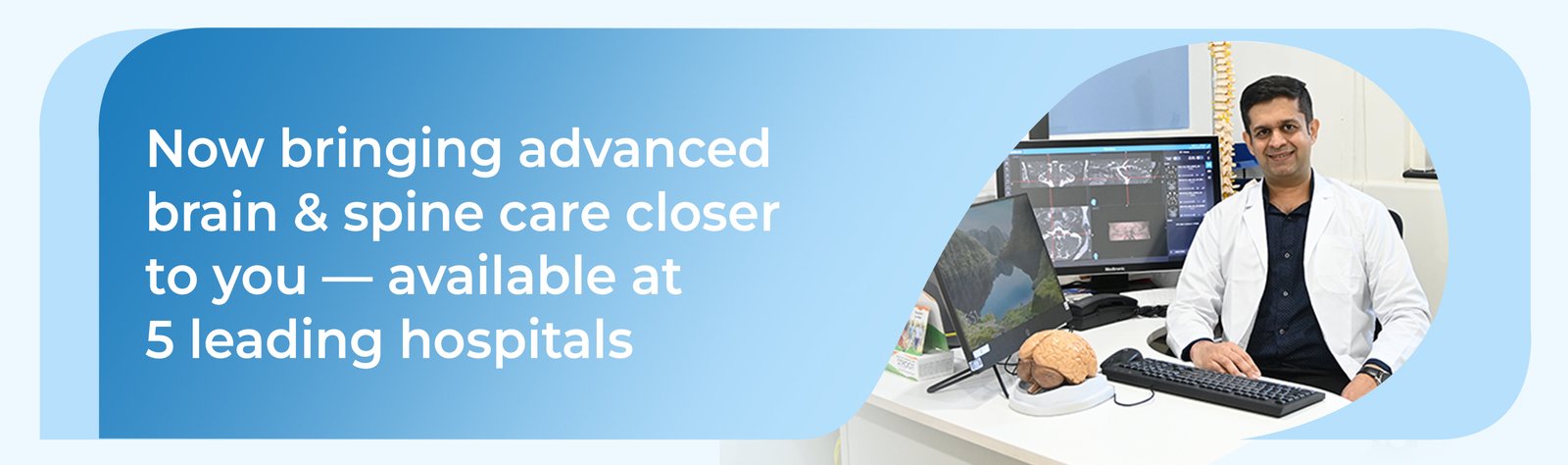
Minimally Invasive Spine Surgery (MISS) is an advanced surgical technique designed to treat spinal disorders with less tissue damage and faster recovery compared to traditional open surgery. It uses small incisions and specialized instruments to access the spine, reducing muscle injury, blood loss, and post-operative pain.
MISS is commonly used for conditions such as herniated discs, spinal stenosis, degenerative disc disease, and spinal instability, offering effective relief with quicker healing.
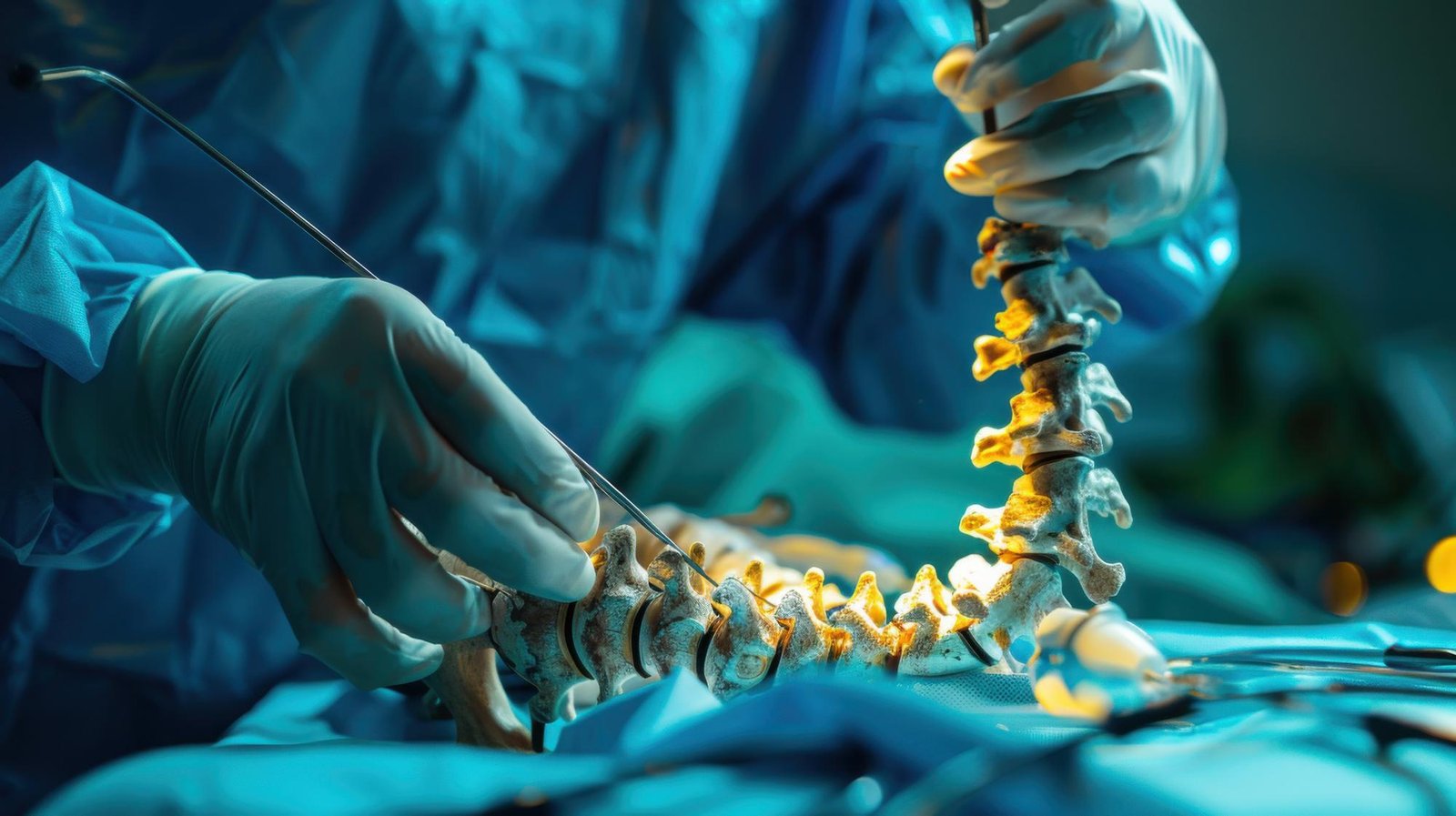
Before undergoing MISS, patients go through a detailed diagnostic process including MRI, CT scans, and neurological examinations to accurately identify the problem area.
The surgical plan is customized to the patient’s specific condition, ensuring minimal disruption to surrounding tissues. This precise planning allows surgeons to select the safest approach and achieve optimal results with lower risks and improved recovery outcomes.
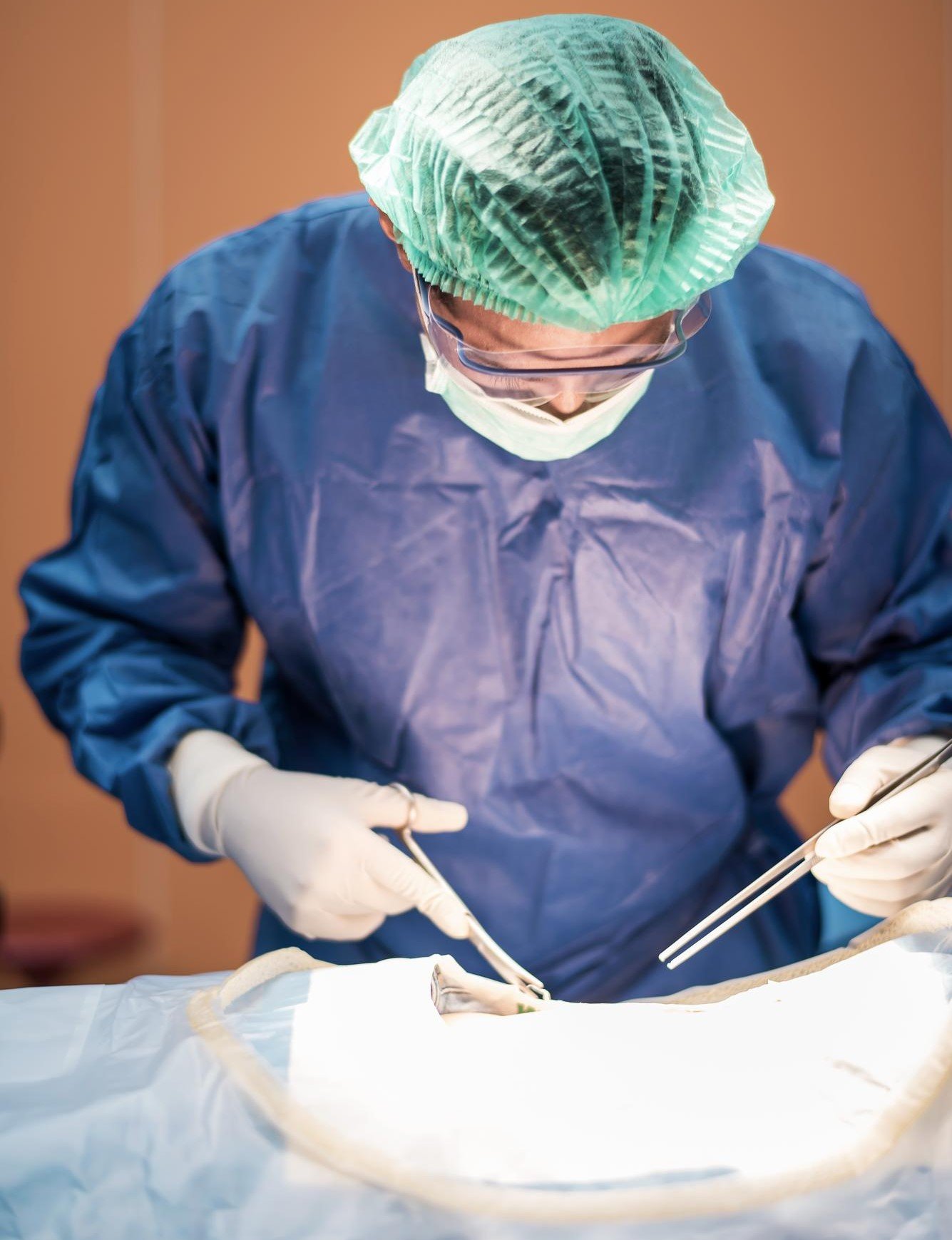
During MISS, surgeons use specialized tools and real-time imaging such as fluoroscopy or navigation systems to guide the procedure. Techniques like tubular retractors and endoscopic assistance allow surgeons to operate through small incisions while maintaining high accuracy.
As a result, patients experience less scarring, minimal hospital stays, and a quicker return to daily activities—making MISS a preferred option for many spinal conditions.
After MISS, patients usually recover faster compared to traditional spine surgery. Most can walk within hours and return home within 1–2 days. Post-operative care includes physiotherapy, regular follow-ups, and lifestyle guidance to ensure long-term spine health.
With minimal discomfort and reduced downtime, MISS provides a safe, effective, and patient-friendly solution for spinal disorders, helping individuals regain mobility and live pain-free.