Cerebrovascular surgery focuses on the treatment of disorders affecting the blood vessels of the brain and spinal cord. It is performed to manage conditions such as aneurysms, arteriovenous malformations (AVMs), stroke, and carotid artery disease.
The primary goal of this surgery is to restore normal blood flow, prevent bleeding, and protect brain function. With advanced microsurgical and endovascular techniques, cerebrovascular surgery offers life-saving solutions with high precision and safety.
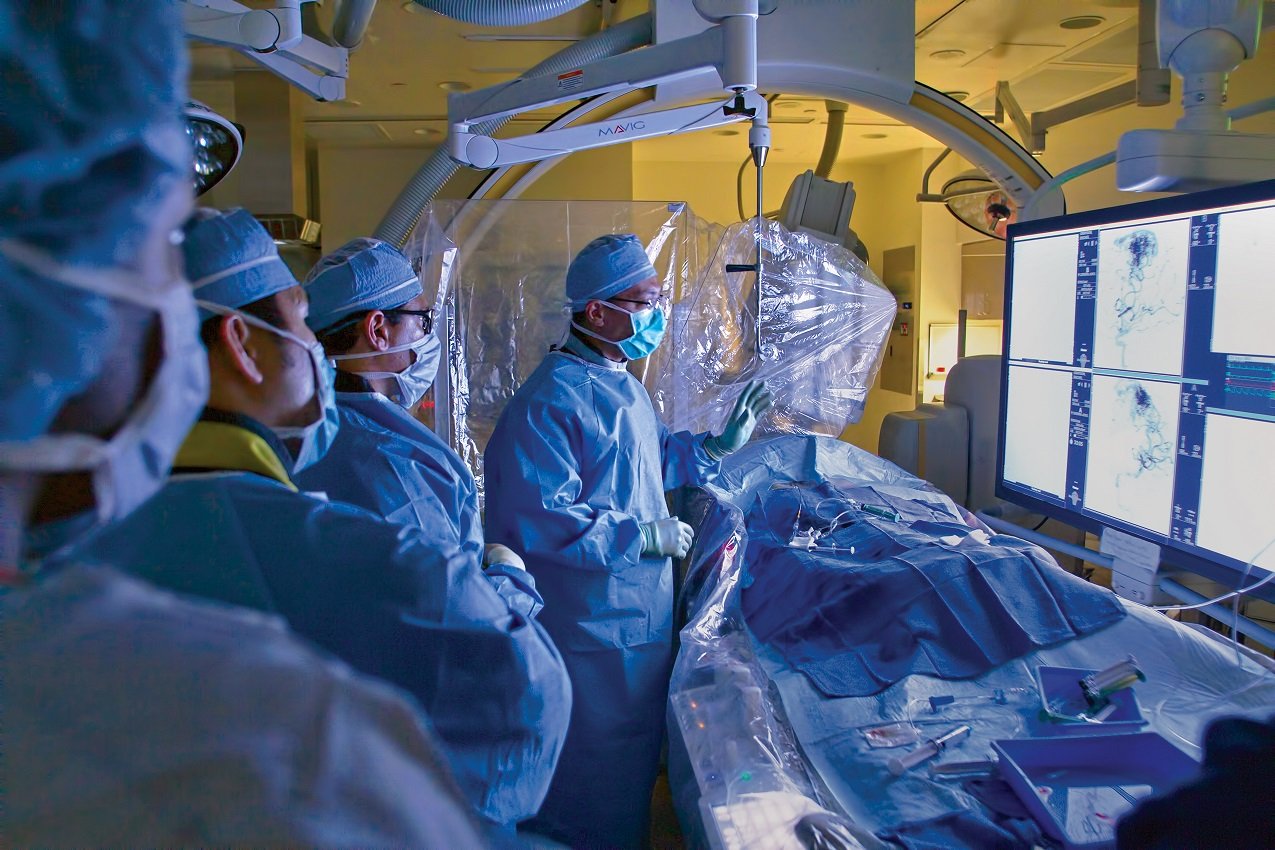
Before the procedure, patients undergo a series of detailed diagnostic tests including MRI, CT angiography, digital subtraction angiography (DSA), and neurological assessments. These evaluations help map the exact location and nature of the vascular abnormality.
Based on these findings, the surgical team designs a personalized treatment plan—deciding between microsurgery, clipping, coiling, or bypass procedures—to ensure maximum safety and success.
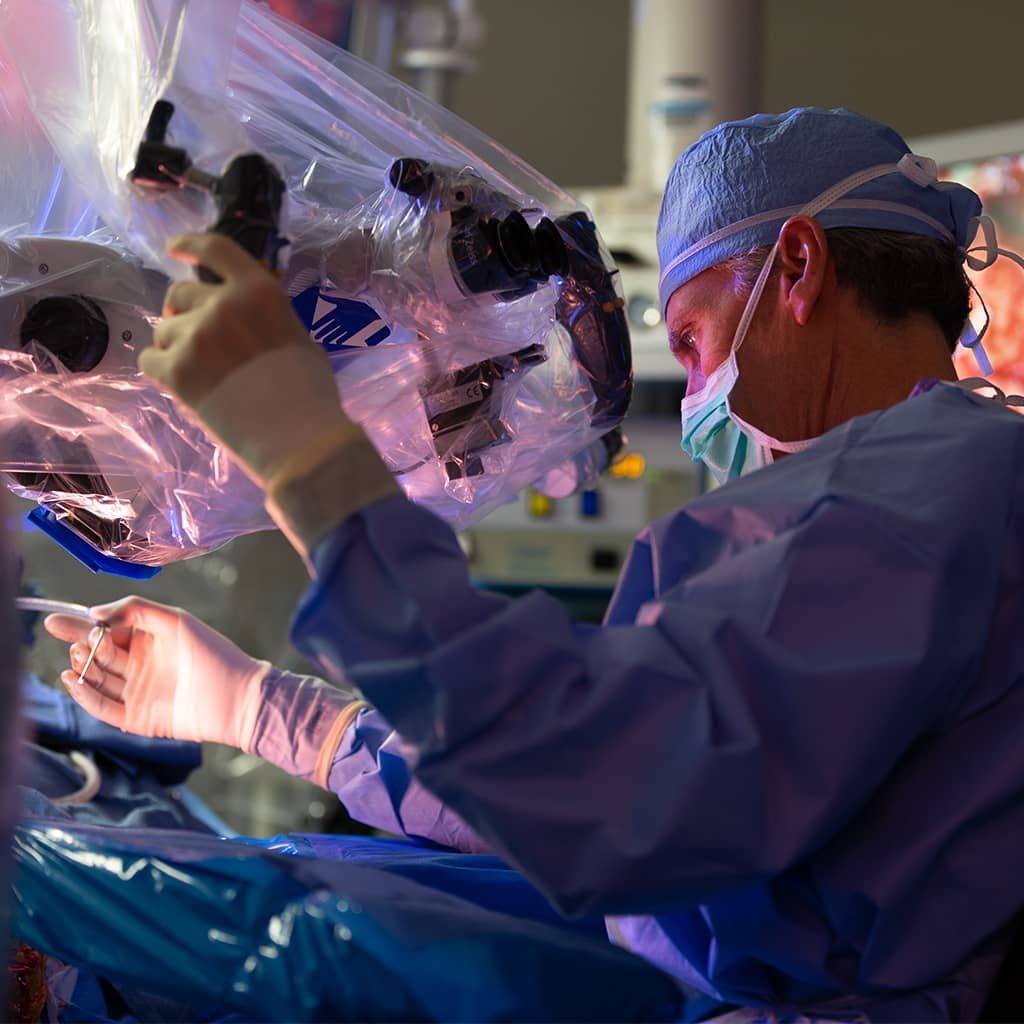
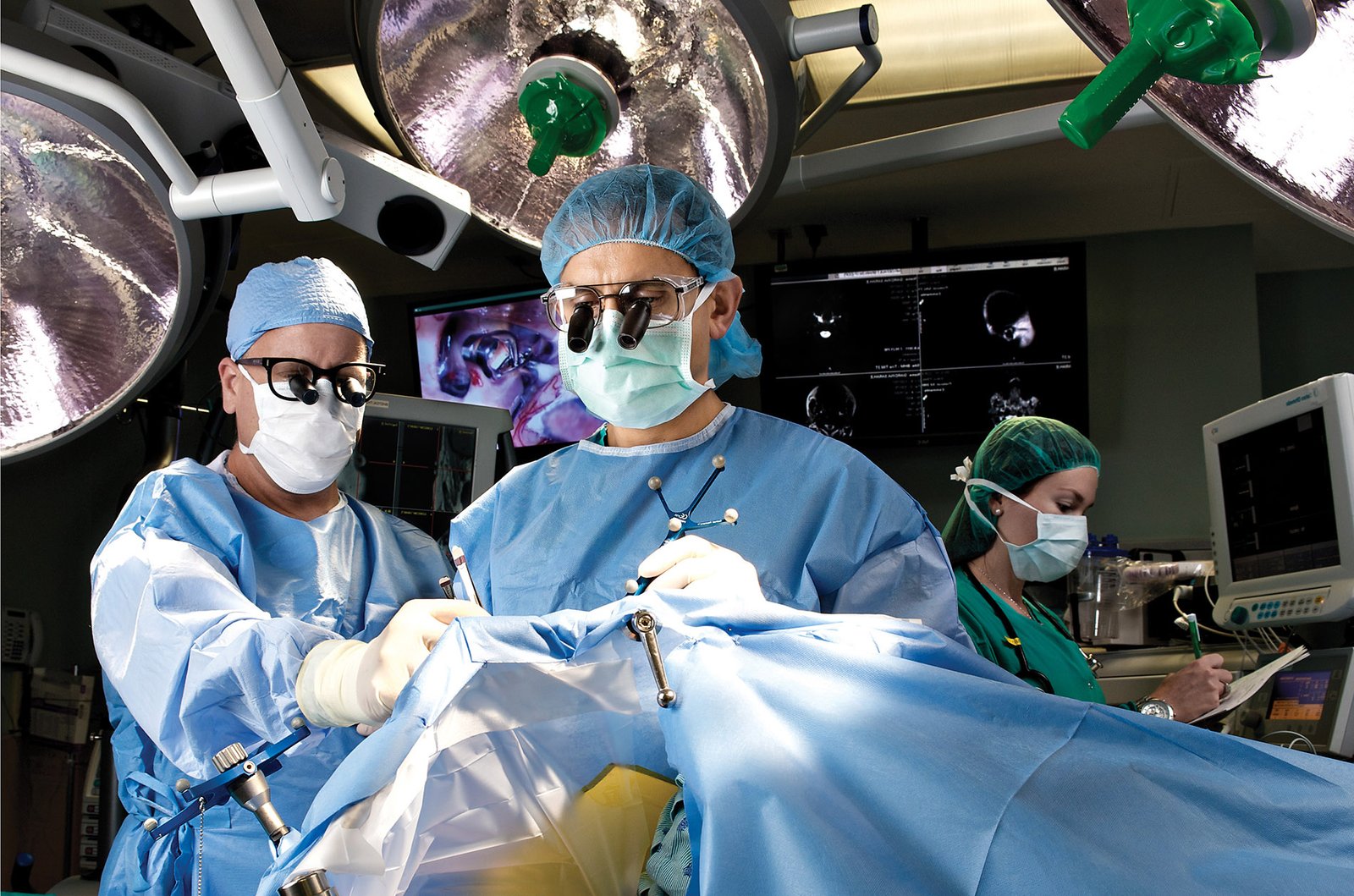
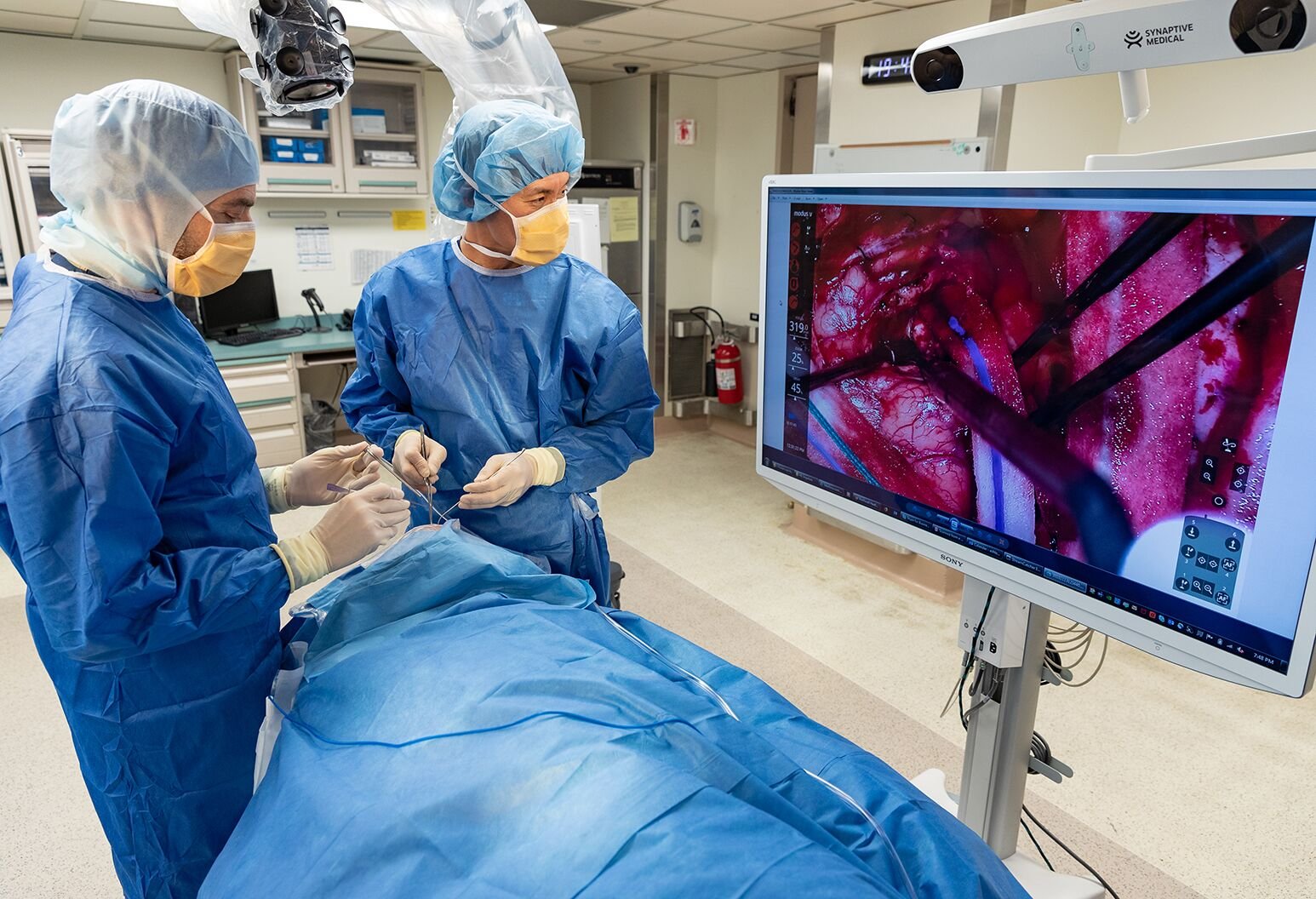
Cerebrovascular surgeries are performed using cutting-edge tools like operating microscopes, neuronavigation, and intraoperative monitoring to ensure accuracy and protect surrounding brain tissue. Depending on the condition, the procedure may involve clipping aneurysms, resecting AVMs, or performing bypasses to restore proper circulation.
In some cases, endovascular techniques such as coiling or stenting are used, providing minimally invasive alternatives with excellent outcomes.
After surgery, patients receive comprehensive post-operative care including ICU monitoring, neurorehabilitation, and regular imaging follow-ups. Recovery plans are tailored to restore neurological function, manage risk factors, and prevent recurrence.
With continuous advancements in vascular neurosurgery, patients benefit from safer procedures, quicker recovery, and improved long-term outcomes—ensuring a healthier, more active life.